



2026 Hyundai Reliability Review — How the Lineup Compares to the Competition
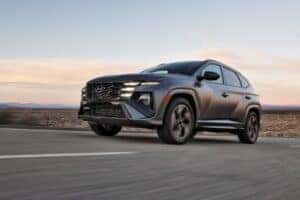
Reliability matters — it affects your ownership costs, safety, resale value, and confidence behind the wheel. For this guide, we define reliability as how often and how severe mechanical, electrical, or software failures are over normal ownership periods. Here we compare the 2026 Hyundai lineup to major rivals so you can see where each model shines or needs attention. You’ll find a synthesis of industry studies and owner reports, plus plain-language takeaways for buyers weighing Hyundai, Toyota, Honda, Kia, and leading EV makers. We cover model-level reliability for the Palisade, Tucson, Elantra, Kona, and Ioniq models, explain warranty and maintenance implications, and describe how local service support affects long-term dependability. If you’re trading off upfront features versus long-term reliability or comparing hybrid and EV ownership, this guide turns research into clear next steps.
How reliable are the 2026 Hyundai models compared to competitors?
Brand reliability comes from patterns across models and systems. Overall, Hyundai’s 2026 lineup sits in the competitive mid-to-upper range for dependability when you combine major study results. The brand shows particular strength thanks to long powertrain coverage and improving electronics stability. Recent analyses point to steady gains from standardized platforms and focused software fixes. At the same time, Toyota and Honda remain benchmarks for conservative mechanical durability. For a balanced view, check ratings from J.D. Power, Consumer Reports, KBB, and RepairPal — each uses different data (warranty claims, owner surveys, repair records). Knowing Hyundai’s strengths — warranty-backed powertrains and dealer-supported service — helps you weigh likely ownership experiences against rival brands. The sections below break down study takeaways and brand positioning so you can read reliability scores with confidence.
What do J.D. Power and Consumer Reports say about Hyundai reliability?
J.D. Power and Consumer Reports measure reliability differently. J.D. Power reports problems per 100 vehicles (PP100) from owners and looks for system patterns. Consumer Reports predicts reliability from survey data and history to give model-specific guidance. Recent surveys and 2025 dependability trends show fewer powertrain complaints and better electronics calibration on several Hyundai models, which improved owner satisfaction in parts of the lineup. Consumer Reports flags model maturity and older-generation issues; when a model gets targeted fixes, its predicted reliability usually lifts. For buyers, the practical take: low, consistent problem reports signal dependable ownership. Isolated software recalls are less worrying when dealer service is responsive and warranty coverage is strong.
How do Hyundai models rank against Toyota, Honda, and Kia in reliability?
On comparative rankings, Hyundai competes closely with Kia and sometimes outperforms it on long-term ownership measures. Toyota and Honda often lead for conservative mechanical durability, helped by simpler powertrains and longer track records. Hyundai narrows that gap through strong warranty protection, faster software remedies, and platform standardization that cuts part complexity across models. Key strengths include a long powertrain warranty and dealer networks that support scheduled maintenance. Weak spots can include early-generation electronics on new EVs that need software patches. The trade-off: Hyundai offers strong value and warranty-based risk mitigation, while some buyers accept slightly higher upfront costs with Toyota or Honda for long-proven mechanical predictability.
What are the reliability ratings for key 2026 Hyundai models?
Reliability varies by segment and powertrain. To evaluate a 2026 Hyundai model, combine expert ratings with owner feedback to separate recurring issues from one-offs. The table below summarizes qualitative signals from major sources so you have a practical snapshot of dependability. Use these entries to focus on the most relevant risks — powertrain, electronics, or accessories — when comparing models to rivals.
| Model | Reliability Signal | Notable Comparison |
|---|---|---|
| Palisade | Strong powertrain reliability overall; occasional accessory or electronics complaints | Similar mechanical durability to the Pilot and Highlander |
| Tucson | High owner satisfaction; some early infotainment reports on select units | Comparable core dependability to the CR-V and RAV4 |
| Elantra | Consistent predicted reliability for gasoline and hybrid versions; few major failures reported | Matches Corolla and Civic strengths in the compact class |
| Kona | Owner feedback varies by year; most issues are small electrical items | Buyers of used Konas should take a cautious approach; warranty reduces risk |
| Ioniq 5 / Ioniq 9 | BEV reliability is improving; common early EV reports involve software or 12‑volt systems | Battery warranty and dealer EV support are central to comparisons |
How reliable is the 2026 Hyundai Palisade compared to the Honda Pilot and Toyota Highlander?
The Palisade generally shows strong mechanical and powertrain reliability, with owners praising comfort and durable drivetrains. Some reports note minor, non-critical electrical or comfort-feature glitches early in ownership. Versus the Pilot and Highlander, the Palisade’s edge is value and warranty-backed powertrain support. Pilot and Highlander buyers point to longer historical data for multi-year mechanical resilience. For families focused on low-maintenance ownership, the Palisade is a solid choice when dealer service is proactive. Still, inspect specific vehicles for accessory function and check recent dependability updates before buying.
What are the 2026 Hyundai Tucson reliability scores vs. the Honda CR-V and Toyota RAV4?
The Tucson posts steady reliability signals across its powertrains. Hybrid versions track well thanks to mature hybrid systems and generally fewer complex failure modes than some early electrified alternatives. Compared with the CR‑V and RAV4, the Tucson often offers similar mechanical durability plus competitive tech and warranty coverage. Infotainment and software quirks are the most common complaints. Practical tips: confirm hybrid-specific service access and make sure recent software updates are applied on new deliveries. For cross-shopping buyers, the Tucson is a dependable pick—especially the hybrid trims—when dealer support is strong.
How does the 2026 Hyundai Elantra perform in reliability compared to the Toyota Corolla and Honda Civic?
The Elantra continues to earn a reputation for solid reliability, especially for conventional gas and hybrid models. Predicted reliability metrics trend positively and owner complaints are limited. Against the Corolla and Civic, the Elantra competes well on features and warranty reassurance, with similar expectations for routine mechanical longevity if maintenance is kept up. Common consumer advice: verify maintenance history and ensure software updates are complete on newer trims. If you want a compact with good resale potential and low incident rates, the Elantra is a credible alternative.
What do owners say about the 2026 Hyundai Kona’s reliability?
Kona owners often praise nimble handling and efficiency while reporting occasional minor electrical or accessory issues. These tend to be non-critical but can affect convenience. Year-to-year variability shows up in aggregated reviews, so used-buyer caution is warranted. For buyers, the Kona is attractive for price and fuel economy, but consider certified pre-owned options or confirm remaining warranty coverage to limit repair costs. Dealer responsiveness on small issues strongly influences owner satisfaction for this subcompact crossover.
How does Hyundai’s warranty support affect vehicle reliability?
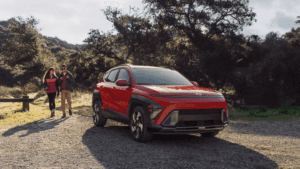
Hyundai’s warranty is a practical way to change the ownership risk profile: it shifts repair costs away from owners during early and mid-term ownership and signals manufacturer confidence in core components. The table below outlines the main coverages reliability-minded buyers care about and the durations that matter most for long-term peace of mind. Knowing these coverages helps you balance immediate reliability signals with protections that limit out-of-pocket exposure if something goes wrong.
| Coverage Area | What It Covers | Duration / Notes |
|---|---|---|
| Powertrain | Engine, transmission, and major drivetrain components | 10 years / 100,000 miles (powertrain protection cited) |
| New Vehicle Limited Warranty | Manufacturing defects not due to normal wear | 5 years / 60,000 miles (basic coverage) |
What are the coverage details of Hyundai’s 10-year/100,000-mile powertrain warranty?
Hyundai’s long powertrain warranty covers core parts — generally engine and transmission internals plus major drivetrain pieces — for the stated period. That shifts financial risk from owners to the manufacturer and dealer network while the warranty is active. Practically, many high-cost mechanical failures are handled under warranty, which improves real-world reliability even when occasional issues occur. Keep in mind: regular maintenance and a documented service history are conditions for warranty eligibility, so follow the scheduled service to preserve coverage. This warranty often boosts resale value and buyer confidence and is a clear differentiator versus rivals with shorter powertrain terms.
How does Hyundai’s warranty compare to competitors like Honda and Toyota?
Head-to-head, Hyundai’s powertrain warranty is longer than what many competitors offer, giving Hyundai an advantage on coverage length. Basic warranties may be similar across brands, but the extended powertrain term lowers owner exposure to expensive driveline repairs and can offset perceived gaps in baseline mechanical reliability. For buyers, the warranty benefit depends on dealer service quality — a long warranty only helps if repairs are handled promptly and parts are available. So, it’s both a reliability signal and a practical safety net when comparing brands.
What are the maintenance costs and long-term ownership values of 2026 Hyundai models?
Long-term value depends on maintenance schedules, parts pricing, and how warranty and dealer programs offset routine expenses. Ownership-cost models typically place Hyundai in a competitive position versus Toyota, Honda, and Kia when warranty and included maintenance are accounted for, though actual costs vary by model, powertrain, and local labor rates. The table below highlights comparative maintenance attributes to help you anticipate five- to ten-year cost drivers and choose models that balance low running costs with desired features. This view helps buyers who focus on total cost of ownership rather than just sticker price.
| Ownership Factor | Hyundai Typical Position | Competitor Contrast |
|---|---|---|
| 5-Year Maintenance | Moderate when scheduled maintenance is included | Similar to Kia; often lower out-of-pocket than rivals without included service |
| 10-Year Maintenance | Depends on powertrain longevity and EV battery care | Toyota and Honda may edge lower based on long-proven mechanical longevity |
How do Hyundai’s maintenance costs compare to Toyota, Honda, and Kia?
Over typical ownership windows, Hyundai’s maintenance costs are usually competitive and often a bit lower than higher-priced rivals, matching Kia in many areas thanks to shared platforms and parts economies. Differences depend on powertrain: BEVs eliminate many traditional maintenance tasks but introduce battery care and software updates; hybrids add some complexity but benefit from mature hybrid components. Local labor rates and parts sourcing affect final costs, so factor service availability when estimating total ownership expense. In practice, Hyundai’s warranty reduces early-year costs compared with brands that include less service.
It lowers early ownership expenses and encourages dealer-servicing habits that support long-term reliability. For original 2025 owners, the three years / 36,000 miles coverage delivers real savings and helps keep vehicles in good mechanical shape. Actual savings depend on local service prices and the number of visits, but the convenience of bundled maintenance also makes timely upkeep more likely, which reduces avoidable failures. When owners use certified service channels, this program supports lower costs and better long-term dependability.
How reliable are Hyundai’s 2026 electric and hybrid models compared to competitors?
Electrified-vehicle reliability focuses on battery longevity, software maturity, and dealer readiness to service EV systems. Hyundai’s Ioniq line shows steady progress but follows the broader EV pattern where early-adopter models can see software or 12‑volt accessory issues. Hyundai’s hybrids are generally reliable, backed by mature hybrid designs and fewer high-cost failure modes than early BEVs. To evaluate EV and hybrid reliability, check battery warranty terms, local service capability for high-voltage systems, and the frequency of software updates that fix non-mechanical faults. The subsections below cover Ioniq ratings and hybrid comparisons to help you weigh electrified options.
What are the reliability ratings for the 2026 Hyundai Ioniq 5 and Ioniq 9?
Ioniq BEVs typically score well for core battery performance and drivability. Owner and technician reports sometimes note software or auxiliary 12‑volt anomalies that are usually corrected by dealer service or over-the-air updates. Strong battery warranty coverage and thermal management designs reduce the most consequential battery risks. For buyers, the key checks are battery warranty length, any reported software recalls, and whether local dealers can handle EV diagnostics and repairs. When those factors line up, Ioniq BEVs are a reliable mainstream EV choice.
How do Hyundai hybrid models compare to Toyota and Honda hybrids in reliability?
Hyundai hybrids stack up well against Toyota and Honda. Modern hybrid components have matured and now show fewer unique failure modes than early systems. Many hybrid complaints are routine service items rather than failures of core hybrid components. Toyota’s long hybrid history remains a strong baseline, but Hyundai’s contemporary hybrid designs and warranty protection reduce owner risk. For long-term ownership, hybrid maintenance is usually predictable and less likely to produce unexpected drivetrain bills, making Hyundai hybrids a good option for buyers who want better fuel economy without sacrificing reliability.
Why should Northwest Indiana drivers choose Webb Hyundai Merrillville for reliable 2026 Hyundai vehicles?
Webb Hyundai Merrillville serves Northwest Indiana with a wide selection of new, used, and certified pre-owned Hyundai models and a service team set up to support long-term reliability. Local shoppers in Merrillville, Crown Point, Valparaiso, and Portage can use the dealership to inspect model condition, confirm software updates, and schedule factory-recommended service that keeps vehicles running well. Our online tools make it easy to browse inventory, compare certified pre-owned options, and explore financing that helps make reliable vehicles affordable. If dependable ownership is your priority, our inventory and service systems pair well with Hyundai’s warranty protections.
How does Webb Hyundai Merrillville support reliability through service and genuine parts?
Our service department focuses on certified technicians, genuine Hyundai parts, and up-to-date facilities to handle warranty repairs, routine maintenance, and EV diagnostics. Using OEM parts and following factory service intervals lowers the chance of avoidable failures and keeps warranty coverage intact — especially important for hybrids and EVs. Local owners can schedule maintenance with trained staff to apply software updates and check overall vehicle health. The parts team also helps with timely replacement of wear items using genuine components. Regular service keeps vehicles warranty-compliant and supports the dependability signals described above.
- Certified technicians at Webb Hyundai Merrillville follow factory maintenance procedures.
- We stock genuine Hyundai parts to maintain component compatibility and warranty integrity.
- Local service scheduling helps drivers complete required maintenance and receive software updates promptly.
What financing options help local buyers access reliable 2026 Hyundai models?
Our dealership finance options make new and certified pre-owned Hyundais easier to afford by spreading payments and fitting budgets, while keeping warranty coverage and dealer service relationships intact. Work with our finance team to explore approvals and terms that let you choose models with stronger warranty protections or included maintenance, which lowers ownership risk. Financing at the dealership supports the reliability picture by helping buyers select vehicles with remaining factory warranties or CPO coverage. For local shoppers, getting pre-approved and talking to our finance team is a practical step toward securing a dependable 2026 Hyundai.
- Financing can help buyers prioritize models with extended warranty benefits.
- Options include loans for new and certified pre-owned vehicles to preserve warranty-backed ownership.
- Talk with our finance team to find payment plans that match your long-term reliability goals.
Frequently Asked Questions
What are the common issues reported by owners of the 2026 Hyundai models?
Owners report a mix of experiences. The most common issues are electronics and infotainment glitches — for example, early Tucson units have had some infotainment reports, and the Kona shows occasional minor electrical items. That said, many owners praise overall reliability and performance. When issues occur, they’re often non-critical and solvable through dealer service and warranty coverage.
How does Hyundai’s warranty impact resale value?
Hyundai’s long warranty, especially the 10‑year/100,000‑mile powertrain coverage, boosts resale value. It gives buyers confidence that major repairs are covered for an extended period, which makes Hyundai models more attractive in the used market. That can translate into quicker sales and, in many cases, stronger resale prices compared with brands that offer shorter warranties.
What should buyers consider when evaluating Hyundai’s electrified models?
For Ioniq and other electrified models, check battery warranty terms, software maturity, and dealer support for EV systems. Battery warranty length is a good indicator of manufacturer confidence. Also consider how often software updates are issued and whether local service centers can handle EV diagnostics and repairs. Those factors help reduce ownership risk and improve the EV ownership experience.
How do maintenance costs for Hyundai compare to other brands?
Hyundai’s maintenance costs are generally competitive and often lower than some rivals. Actual costs vary by model, powertrain, and local labor rates, so factor those when estimating total ownership costs. Overall, Hyundai’s warranty and maintenance support can lead to noteworthy savings over time.
What are the advantages of choosing a certified pre-owned Hyundai?
Choosing a certified pre-owned Hyundai gives you extended warranty coverage, thorough inspection, and greater confidence in vehicle quality. CPO vehicles go through rigorous checks to meet manufacturer standards and often include remaining warranty protection, which lowers the chance of unexpected repair bills. For budget-conscious buyers who still want reliability, a CPO Hyundai is a strong option.
How does Hyundai’s dealer network support vehicle reliability?
Our white label link building services are the best option for agencies looking for quality, scalability, and convenience. We create SEO optimized, fresh content that performs well in search rankings and boosts your clients’ site authority. All of our backlinks come from authoritative publishers. We’ll secure the quantity you need and in the right time frame.
What factors should buyers consider when comparing Hyundai to its competitors?
When comparing Hyundai to Toyota, Honda, and others, consider warranty coverage, maintenance costs, and overall reliability ratings. Hyundai’s longer powertrain warranty is a notable advantage that reduces potential repair costs. Also review customer satisfaction and owner feedback for real-world perspective, and factor in dealer support and service quality since those affect your long-term ownership experience.
Conclusion
Picking a 2026 Hyundai gives you a blend of dependable performance, strong warranty protection, and competitive maintenance costs — a smart choice for long-term ownership. With dealer support and a focus on customer satisfaction, Hyundai aims to keep you confidently on the road. If you’re ready to explore options in person, visit Webb Hyundai Merrillville to see our inventory, compare certified pre-owned choices, and learn how a dependable Hyundai can fit your needs.
0 comment(s) so far on 2026 Hyundai Reliability Review — How the Lineup Compares to the Competition