



2026 Hyundai: Electric or Hybrid — Which One Fits Your Drive?
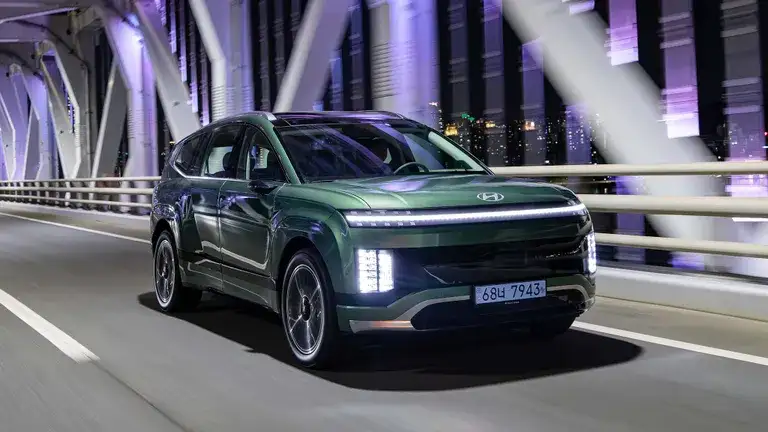
Choosing between an electric Hyundai and a hybrid is about more than specs — it’s about the way you drive every day. This guide lays out Hyundai’s 2026 lineup so you can compare benefits and trade-offs at a glance. We cover how each powertrain performs, what to expect in cold weather, real-world fuel and range figures, and the standout 2026 models. Read on and you’ll have a clear sense of which Hyundai suits your life.
What Are the Key Differences Between 2026 Hyundai EV and Hybrid Models?
It all comes down to the powertrain. EVs run solely on electricity from a battery and one or more electric motors. Hybrids combine a gasoline engine with an electric motor to boost efficiency and extend range. Below we explain how those systems work and what they mean for your daily drive.
How Do Electric and Hybrid Powertrains Work in Hyundai Vehicles?
Hyundai electric vehicles are driven by a high-voltage battery pack that powers electric motors — which means no tailpipe emissions while you’re on the road. Hybrids pair a conventional internal-combustion engine with an electric motor and battery. The electric motor assists acceleration, handles low-speed driving, and shares the load with the gas engine to cut fuel use.
What Are the Pros and Cons of Hyundai Electric vs Hybrid Cars in 2026?
Both EVs and hybrids bring clear advantages depending on how and where you drive.
Pros of Electric Vehicles:
- Zero tailpipe emissions: Cleaner air in your neighborhood and on the highway.
- Lower day-to-day costs: Electricity often costs less per mile than gasoline.
- Available incentives: Tax credits, rebates, and local programs can reduce your purchase cost.
Cons of Electric Vehicles:
- Range considerations: Longer trips may require planning around charging stops.
- Charging access varies: Availability of public chargers and home setups differs by area.
Pros of Hybrid Vehicles:
- Longer practical range: The gasoline engine eases range anxiety on long drives.
- Strong fuel economy: Hybrids typically use less fuel than conventional gas-only cars.
Cons of Hybrid Vehicles:
- More complex drivetrain: Two systems can mean more service items over time.
- Still produce emissions: Hybrids are cleaner than traditional gas cars but not zero-emission.
Which 2026 Hyundai EV Models Are Best for Midwest Winters?
Cold weather affects electric and hybrid vehicles differently. Here’s how Hyundai’s 2026 EVs handle winter and which features help them perform in Midwest conditions.
How Does Cold Weather Affect Hyundai Electric Vehicle Performance?
Cold temperatures reduce battery efficiency and can lower driving range. Running the cabin heater also draws from the battery. Hyundai’s 2026 EVs use thermal management systems and updated software to protect battery health and recover efficiency faster, so range losses are smaller than with older EVs.
What Features Make Hyundai EVs Suitable for Harsh Winter Conditions?
Hyundai equips its 2026 EVs with several winter-ready features:
- Battery thermal management: Keeps the battery near its ideal temperature for more consistent performance.
- All-wheel drive (AWD) options: Adds traction when roads are snowy or icy.
- Efficient cabin climate control: Heating systems designed to balance comfort and battery use.
Together, these features help Hyundai EVs stay dependable in winter driving and give you more confidence on cold, slippery roads.
How Does the 2026 Hyundai EV Range Compare to Hybrid Fuel Economy?
Range and fuel economy are often the deciding factors. Below is a straightforward comparison of what to expect from Hyundai’s 2026 EVs versus their hybrids.
What Is the Driving Range of 2026 Hyundai Electric Vehicles?
Range varies by model and trim. For 2026, many Hyundai EVs deliver roughly 250 to 303 miles on a full charge — competitive figures that cover typical daily use and many longer trips when you plan charging stops.
How Efficient Are 2026 Hyundai Hybrid Models in Fuel Consumption?
Hyundai’s 2026 hybrids emphasize real-world efficiency, averaging about 40–45 miles per gallon combined depending on model and driving conditions. That makes them an excellent choice if you want strong fuel savings without relying solely on charging infrastructure.
| Model | Type | Efficiency |
|---|---|---|
| Hyundai Ioniq 5 | Electric | Up to 303 miles range |
| Hyundai Tucson Hybrid | Hybrid | Around 40 MPG combined |
| Hyundai Kona Electric | Electric | Around 258 miles range |
This snapshot shows how both powertrains deliver real benefits: long EV range for many trips and strong hybrid fuel economy when you want a gasoline backup.
What Are the Top 2026 Hyundai Hybrid Models Reviewed?
Hyundai’s 2026 hybrids offer a strong mix of efficiency, comfort, and everyday practicality. Here are the models that stand out for value and performance.
Which Hyundai Hybrid Models Offer the Best Value in 2026?
The 2026 Tucson Hybrid and Sonata Hybrid stand out for value. Both pair roomy cabins and modern features with excellent fuel economy — practical choices for families and commuters alike.
How Do 2026 Hyundai Hybrids Perform in Real-World Driving?
Owners and reviewers frequently report smooth acceleration and responsive handling. The transition between electric and gasoline power is typically seamless, so driving feels natural while saving fuel in city and highway conditions.
How to Choose Between a 2026 Hyundai EV and Hybrid Based on Your Needs?
Your best choice depends on how and where you drive. Use these simple questions to guide your decision:
What Factors Should Influence Your Choice of Hyundai EV or Hybrid?
Consider:
- Daily commute: Short, predictable drives favor an EV; long, frequent trips may point to a hybrid.
- Charging access: Home charging or nearby public chargers make EV ownership easier.
- Environmental priorities: If cutting tailpipe emissions matters most, an EV is the cleaner choice.
How Do Cost, Maintenance, and Environmental Impact Compare?
EVs usually cost less to operate — fewer moving parts and no oil changes — though purchase price and charging setup can be higher up front. Hybrids offer a familiar refueling routine with strong fuel economy and typically lower initial friction. Both reduce emissions versus traditional gasoline vehicles, with EVs offering the largest reduction over time.
Visiting Webb Hyundai Merrillville is a smart next step. You can test drive both powertrains, compare trims, and explore financing or incentive options that match your budget.
Hyundai continues to invest in technology and safety across both EV and hybrid lines, so you’ll find modern features no matter which powertrain you choose.
Frequently Asked Questions
What are the environmental benefits of choosing a Hyundai EV over a hybrid?
Choosing a Hyundai EV removes tailpipe emissions while you drive, which helps local air quality. As electricity grids add more renewable energy, an EV’s overall carbon footprint drops further. Hybrids cut fuel use and emissions compared with conventional gas cars but still burn gasoline, so they don’t reach the zero-tailpipe-emission level of EVs.
How do charging times for Hyundai EVs compare to refueling hybrids?
Charging time varies by charger: Level 1 (standard home outlet) can take up to 24 hours for a full charge; Level 2 (home or public) typically takes 4–8 hours; fast DC chargers can bring most batteries to about 80% in roughly 30 minutes. Filling a hybrid with gasoline takes only a few minutes. Many EV owners rely on overnight home charging, which reduces the need for frequent public stops.
What incentives are available for purchasing a 2026 Hyundai EV or hybrid?
Incentives depend on where you live but often include federal tax credits, state rebates, reduced registration fees, and local programs. Some areas also offer perks like HOV-lane access. Incentive rules change, so check current federal and state programs or ask your dealership for the latest details.
How does the resale value of Hyundai EVs compare to hybrids?
Resale value depends on demand, battery condition, mileage, and market trends. EV demand has been rising, which can support resale values, while hybrids benefit from an established market and predictable servicing. Watch market trends and battery health when estimating future resale value.
Are there any specific maintenance requirements for Hyundai EVs compared to hybrids?
EVs generally need less routine maintenance because they don’t have oil systems or many engine parts. Service typically focuses on the battery, brakes, tires, and software updates. Hybrids require maintenance for their gasoline components — oil changes and related services. Both benefit from regular inspections to stay reliable.
What should I consider when planning long trips with a Hyundai EV?
Plan your route around charging stations and check real-time availability with apps or your vehicle’s navigation. Factor in charging time when scheduling stops and look for fast-charging routes where available. Verify your vehicle’s expected range in the conditions you’ll face and bring any charging cables or adapters you might need.
Conclusion
Both 2026 Hyundai EVs and hybrids offer clear advantages. EVs deliver zero tailpipe emissions and lower operating costs, while hybrids give extended range and familiar refueling convenience. Your lifestyle, commute, and access to charging will guide the right choice. Visit your local Hyundai dealership to test drive both and find the model that fits your life and priorities.
0 comment(s) so far on 2026 Hyundai: Electric or Hybrid — Which One Fits Your Drive?